

Fate is like a symphony in three movements. From "Saint" to "Messenger," Tribbie, Trianne, and Trinnon have borne the millennia-long mission of redemption with their youthful faces. With their own lives, they composed an epic story of "Sacrifice," "Hope," and "Eternal Pursuit."
This time, I intend to discuss from a psychological perspective how the designers created a strong resonance between players and game characters through emotional, magical, and cognitive resonance, and then explain the psychological principles behind it.
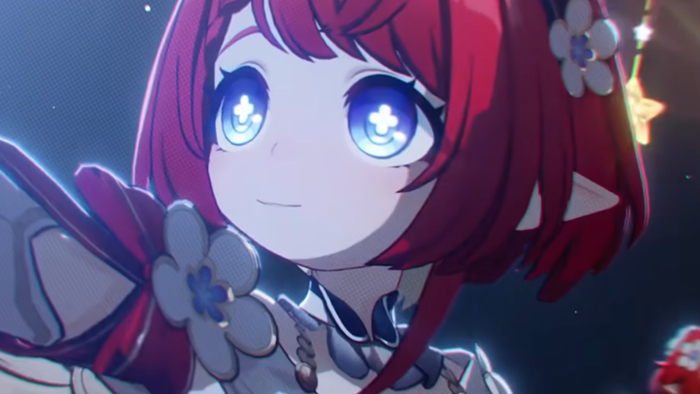
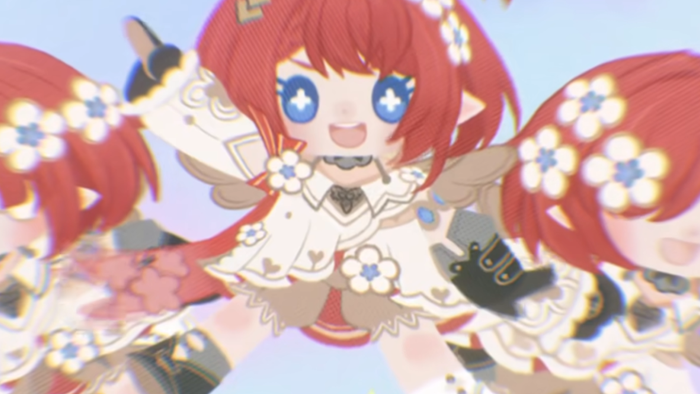
In the 3.1 storyline, Tribbie's role is particularly crucial. She acts like a sturdy thread, binding the entire team together and serving as an emotional bridge for everyone. The main theme of version 3.1 is sacrifice, and this theme is vividly portrayed through the three characters: Tribbie, Trianne, and Trinnon.
From a psychological perspective, "sacrifice" essentially means voluntarily accepting "loss." The designers prolonged this process into a "millennia-long ordeal," intensifying the characters' tragic sense. Her millennia-long incarnation setting is like an invisible thread, weaving together grand themes such as the Janus Divine Authority, the redemption of the Unnamed Chrysos Heirs, and the fall of the Passage Titan, mirroring individual fate against the survival of the entire planet. Particularly when Trianne sacrificed herself, the storyline deliberately had her bid farewell with a nursery rhyme, concealing the brutality of death beneath an innocent exterior. This contrast not only heightened the tragic tension but also made Tribbie the key for players to understand the spiritual core of the Amphoreus civilization's "Flame-Chase Journey."
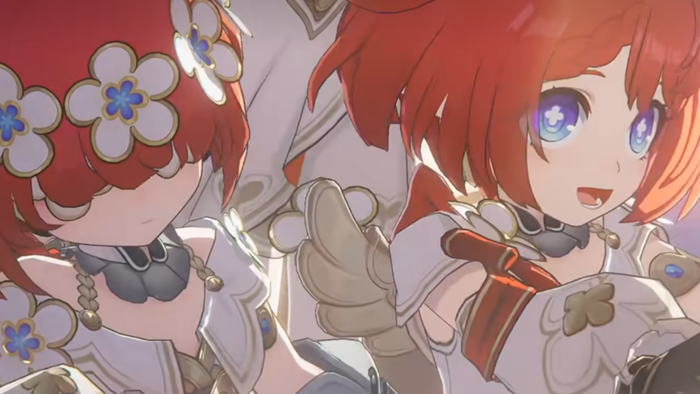
The fate of the Tribbie trio reveals a core proposition of existential psychology—"the conflict between freedom and responsibility." Despite foreseeing the outcome where "only one survives," they still chose to continue their mission through their incarnations. This 'living-towards-death' attitude echoes Viktor Frankl's logotherapy, a philosophy of existence that seeks meaning in suffering. Through witnessing the characters' struggle against destiny, players also engage in metaphorical reflection on their own real-life dilemmas.
The four diary entries in Tribbie's character story each reveal the immense hardship she endured struggling amidst the flames. As the first Prometheus to steal the fire, she faced not only the dark tides but also those unwilling to change. These seemingly ordinary diaries record every word of their difficulties, and it is precisely these hardships that make their actions appear even greater.
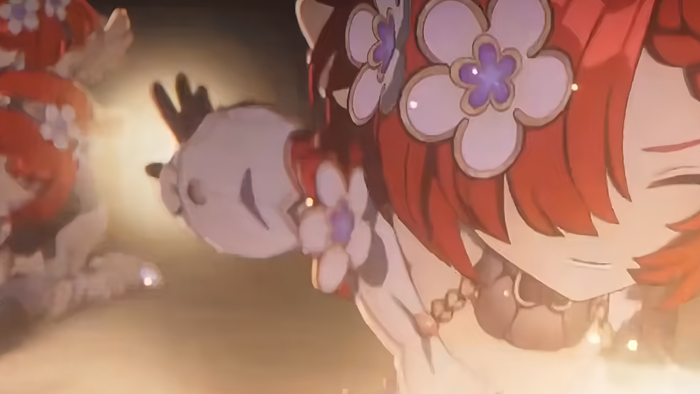
"See you tomorrow... is the greatest prophecy in the world." Each time "see you tomorrow" is spoken, it serves both as a line within the story and a switch that deeply touches players' emotions. When we see Trianne turn into stardust at the end of version 3.1, yet feel hope rekindled by Tribbie's figure steadfastly moving forward, we understand why this character transcends simple metrics of "strength" and becomes a milestone in character development within Honkai: Star Rail. Using methods unique to games, she allows players to experience profound contemplation on existence and sacrifice through the interplay of strategic choices and emotional resonance.
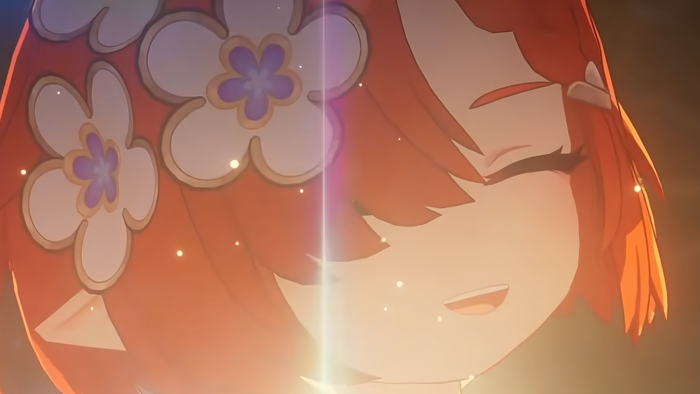
The story of Amphoreus often feels oppressive. The threat of the Black Tide and the struggle of civilization impart a sense of heaviness. In the scene where Trianne sacrifices herself, she lightly says, "See you tomorrow," yet it strikes the heart with immense force. According to positive psychology, hope is the most powerful motivator when people face difficulties. However, when players realize that "tomorrow" is actually an empty metaphor, the designers intentionally create a cognitive dissonance, generating a strong emotional conflict.
The character uses an attitude of innocence to mask the cruel truth, and players, amidst this contrast between beauty and brutality, experience a sense of being torn apart. This design cleverly employs a psychological concept: the more innocent and pure a character appears, the more their tragic ending can touch people's hearts.
In my view, the narrative success of version 3.1 stems not only from characterization but also from the immersive experience built through environmental storytelling and fragmented information. Take the map designs of the "Grove of Epiphany" and "Janusopolis" as examples. These two maps subtly align with the "Genius Loci" (Spirit of Place) theory in environmental psychology. The puzzle of the Seven Sages' statues in the Grove of Epiphany guides players through interaction to understand the scholarly factions' ideologies. This design of "exploration as narrative" reinforces players' comprehension of the world view, fostering cognitive engagement.
In contrast, the Pilgrimage Walkway in Janusopolis, through its comparison between the Dawn and Eternal Night eras, uses spatial changes to metaphorize the decline of civilization, triggering players' sense of nostalgia.
The developers dispersed characters' background information through side quests and details within the main story. This design conforms to the Levels of Processing theory in memory; players deeply process information during active exploration, forming stronger emotional bonds. The most concrete example is the piles of scrolls in Trianne's room, which hint at her confined childhood. Players piecing together the story through environmental details proves more impactful than straightforward narration.
Therefore, the narrative of Honkai: Star Rail Version 3.1 is essentially a meticulously designed collective psychological experiment. Through the use of tragic aesthetics, environmental domains, and character mirroring, the developers guide players to achieve emotional catharsis and meaning reconstruction within the virtual world. This storytelling not only satisfies players' innate need for narrative but also, through the application of psychological mechanisms, elevates the game into a spiritual healing medium for modern society.
That concludes all the content about the Tribbie trio. I wonder if you have more reflections after reading it. The story of Amphoreus continues, and everyone will undoubtedly march towards a better tomorrow! Don't miss out on more articles and the Honkai: Star Rail merchandise available on our site!